
REVIEW · SCUBA DIVING IN CYPRUS
Half-Day Scuba Diving Tour – Discover Scuba Diving!
Your first breath underwater, safely guided.
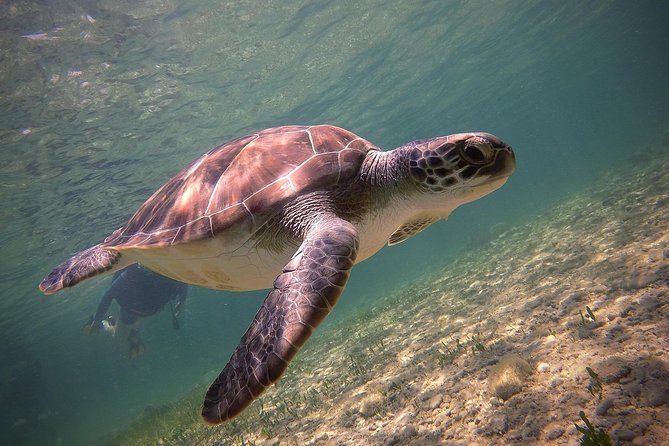
This half-day scuba session in Paphos pairs a calm pool warm-up with an easy shore stop at The Roman Wall, where you’ll look for amphorae, anchors, and (in the right months) green sea turtles. You get English-led instruction, a small group capped at 16, and a structure designed for total first-timers, even if you’re a little nervous.
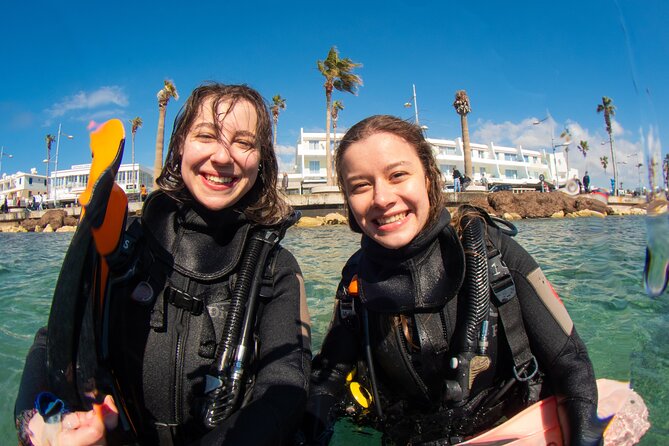
I especially like the step-by-step briefing that covers equalizing, hand signals, and how the equipment actually works. And I like the reassurance factor, with instructors such as Emma, Kris, Sophie, and George repeatedly praised for staying patient and keeping everyone comfortable, even when someone is shaking a bit.
One thing to consider: photos and video cost extra, and the pricing can feel uneven because it may depend on how many people are captured in the same set. If you’re budget-tight, plan ahead and decide in the moment, not on a whim.
In This Review
- Key things I’d watch for
- Why Paphos is a great place for your first underwater scuba session
- Before you go: eLearning, medical questionnaire, and swim comfort
- Arrival and the three-part flow that keeps things controlled
- Pool skills: what you actually practice and why it matters
- The Roman Wall shore stop: shallow water, ancient artifacts, and marine life
- Sea turtles: possible in season, not something to bet your evening on
- The gear, the rules, and the comfort tweaks that can save your mood
- Instructor quality is the whole ball game for nerves
- What’s included, and how the small comforts help
- Price and value: what $100.37 really buys you
- Best-fit for your trip: who should book, and who should rethink it
- Should you book this Paphos half-day scuba session?
- FAQ
- How long is the Half-Day Scuba session in Paphos?
- What do I need to do before the activity starts?
- Do I need prior scuba experience?
- Do I need to be able to swim?
- Can I bring a GoPro or underwater camera?
- Is there a flight time restriction or weather backup plan?
- Can I cancel for a full refund?
Key things I’d watch for
- Small group limit of 16 for more hands-on attention
- Roman Wall shore training with shallow water (about 1 to 5 meters)
- Pool work first, including equalizing practice and using hand signals
- You must finish the eLearning module before you arrive
- No GoPros or underwater cameras allowed for safety
- Green sea turtles possible April to October, but never guaranteed
Other dive sites around the island
Why Paphos is a great place for your first underwater scuba session
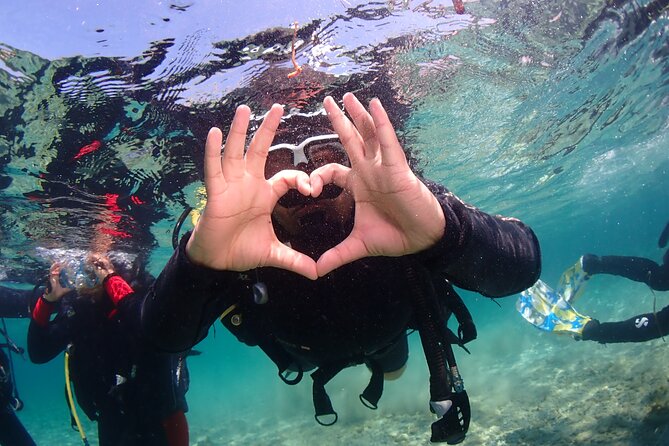
Paphos is a practical choice for a first-time scuba session because the “get comfortable fast” setup makes sense here. Instead of throwing you straight into open water, you start with a briefing and pool practice, then you move to a beginner-friendly shore location that’s close to the center.
The goal is simple: help you manage basics like buoyancy, breathing, and communication underwater. That matters more than people think. If you can breathe steadily and stay calm, everything else gets easier. And when you can follow the instructor’s hand signals without panic, the experience turns from scary to fun.
Also, this program leans into real local points of interest. You’re not just counting minutes underwater. You’re looking at ancient Roman artifacts and marine life right off the Roman Wall area, which gives your session a sense of place beyond the gear.
Before you go: eLearning, medical questionnaire, and swim comfort
This experience includes a prep step before you even show up. After booking, you get a link to an eLearning module that you have to complete before the activity. That usually means you’ll know what to expect on equipment basics, safety rules, and underwater communication before you ever strap in.
You also need to complete a medical questionnaire ahead of the experience. The big “no” items called out are epilepsy and collapsed lung. You should also take the swim requirement seriously: participants must be able to swim confidently. If you’re not comfortable in open water on the surface, you’ll feel it once the gear goes on.
Finally, there’s a flight timing rule: you can’t do the underwater activity less than 24 hours before a flight. So if your schedule is tight, check your departure time first and build in a safety buffer.
Arrival and the three-part flow that keeps things controlled
You meet at Cydive, CydivePoseidonos Ave 1, Kato 8042. The location is near public transportation, and the activity ends back at the same meeting point, so you’re not dealing with complicated end-of-tour logistics.
What I like about the structure is that it’s designed to reduce surprises:
- Briefing: You get the safety and technique basics up front, including equalizing, hand signals, and how your equipment works. This is where instructors set expectations so you don’t feel lost when things get unfamiliar.
- Skills in the pool: You practice using the gear and breathe underwater for the first time. The training pool includes both easier areas and a deeper section where you can swim around.
- Open-water shore session at The Roman Wall: After pool confidence, you head to the shallow training spot near the center and focus on seeing things while you apply what you practiced.
The whole experience runs about 3 hours, which is long enough to learn without eating your entire day.
Pool skills: what you actually practice and why it matters
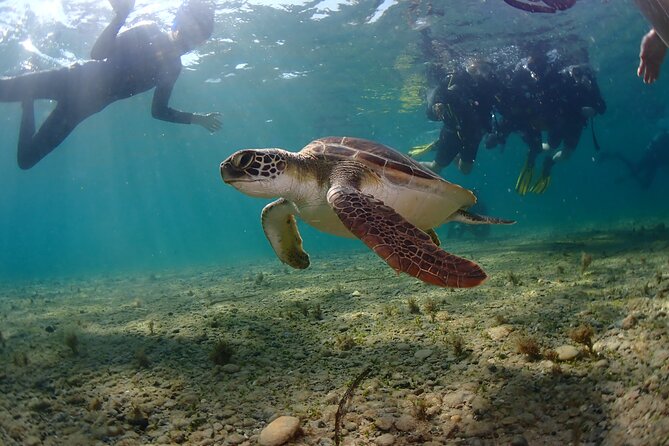
The pool portion is where most first-timers decide whether they feel capable. That’s why I’m glad the program explicitly includes hands-on training before you go to the sea.
In the pool, you’ll:
- learn how the scuba equipment functions
- practice basic underwater skills
- work on equalizing so you can manage pressure changes
- practice swimming around, including in the deeper end of the training pool
Equalizing is the big one. One reviewer noted that if they couldn’t equalize their ears, they basically couldn’t go further in the experience. That’s not meant to scare you, but it is useful practical advice: if you know you usually struggle with pressure changes, mention it early and be prepared to go slower.
You’ll also get taught hand signals. This sounds minor until you’re underwater and realize you can’t just talk your way out of confusion. When instructors are calm and patient, like Emma in the pool for one group, the hand signals feel straightforward instead of stressful.
- Blue Lagoon Cruise with Sightseeing from Latchi Harbour★ 5.0 · 741 reviews
- Half-Day Scuba Diving Tour – Discover Scuba Diving!★ 5.0 · 669 reviews
- Wave Dancer Half Day BBQ Cruise – All Inclusive★ 5.0 · 654 reviews
- Troodos Mountains Villages: All Inclusive Food & Wine Day Tour★ 5.0 · 610 reviews
- Ocean Blue | Afternoon Blue Lagoon★ 4.5 · 495 reviews
The Roman Wall shore stop: shallow water, ancient artifacts, and marine life
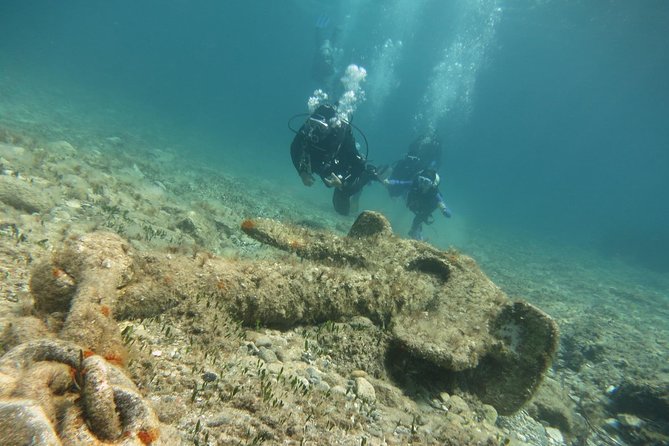
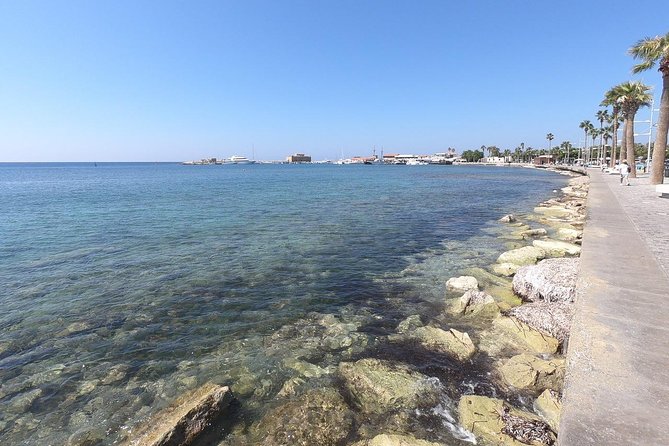
Once you’re set, you head out for the shore session at The Roman Wall. It’s described as a short walk from the dive center, so you’re not spending your energy on transport.
This is a beginner-friendly setup:
- shallow waters around 1 to 5 meters
- a shore approach, not open-water boat chaos
- lots of instructor support within easy reach
What makes this portion especially interesting is the scenery. The sea bottom in this area is tied to the old harbor world, and you may see ancient Roman amphorae and lost anchors. One review specifically highlighted old Roman stone and relics in the harbor area, plus anchors and amphora-like finds.
And then there’s the living stuff. Even when turtles don’t show up, you can still have a great time because the shallow area brings you close to colorful fish. Several first-timers talked about spotting fish and enjoying the underwater points of interest while staying focused on their buoyancy and breathing.
Sea turtles: possible in season, not something to bet your evening on
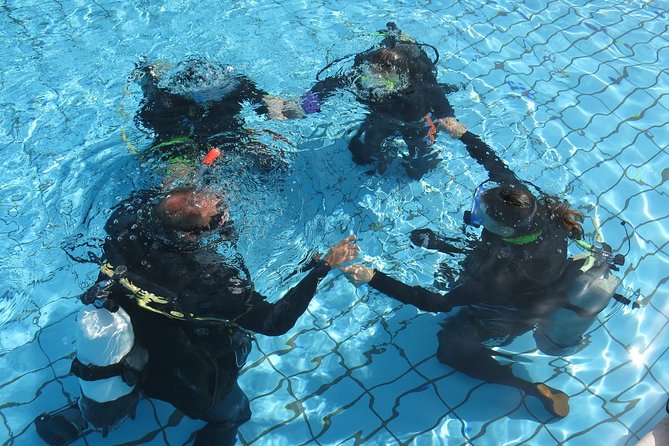
Here’s the honest expectation: green sea turtles are possible from April to October, but not guaranteed. That matches how underwater wildlife works. Conditions, visibility, and animal movement decide a lot.
The good news is that you don’t have to see a turtle to have a meaningful session. The Roman artifacts, anchors, and amphorae provide a solid “wow” even if you only spot fish.
Still, if seeing turtles is your top priority, choose your trip timing based on the April to October window. And keep your attitude flexible. One group saw a turtle, another did not, and both still left happy.
The gear, the rules, and the comfort tweaks that can save your mood
Gear is included, which is a big value win because you’re not hunting down rental items in advance. It also means you can focus on learning instead of shopping.
That said, scuba equipment can feel heavy, especially in the pool at first. One reviewer mentioned the gear felt heavy and that weight belt fit affected balance, twisting, and how they floated in training water. This is one of those practical realities you should keep in mind:
- Ask the instructor to adjust your weight belt if it feels wrong.
- Move slowly at the start and let your body learn the buoyancy.
- If you feel stuck equalizing, slow down and communicate early.
Also, there are safety rules about cameras. GoPros and underwater cameras are not allowed for safety reasons. You can purchase photos and videos afterward, but you cannot record your own footage during the session.
That’s important for expectation setting. If you’re hoping to bring a personal camera rig, plan to rely on the provider’s photo package instead.
Instructor quality is the whole ball game for nerves
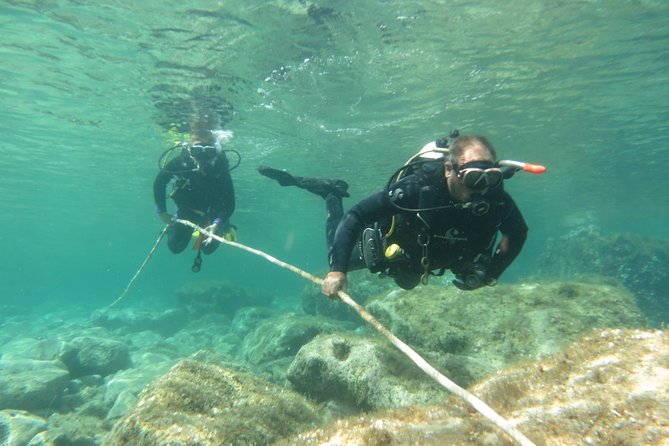
This type of experience lives or dies on instructor tone. The most praised theme across feedback is how instructors kept people calm, explained things clearly, and stayed patient with first-timers.
I noticed a pattern in the names people called out:
- Emma was praised for staying calm in the pool and making techniques understandable.
- Kris was praised for professionalism and empathy, including with nervous swimmers.
- Sophie got special mention for working with kids.
- George was credited with clear explanations in the pool before the sea portion.
- Mick also earned praise for teaching in simple steps, helping people remember their first breath underwater.
- Chris and others were described as taking time and focusing on safety.
If you’re the nervous type, this matters. Multiple comments described fear turning into confidence once the pool practice and explanations clicked. So if you’ve been putting this off because you’re worried you’ll panic, don’t. The training structure is built to prevent that exact spiral.
What’s included, and how the small comforts help
Included items make the session feel smoother from start to finish:
- use of scuba equipment
- snacks, including seasonal fruit and soft drinks
- coffee and/or tea
Those small extras matter when you’re using gear, learning new breathing patterns, and returning a bit tired. It also helps you feel taken care of without turning the tour into a long restaurant stop.
And after the sea portion, the instructor helps you fill in your first entry in the digital logbook. That’s a nice touch if you’re considering turning this into more scuba training later.
Price and value: what $100.37 really buys you
The price is $100.37 per person for about 3 hours, and you’re paying for more than equipment. You’re paying for structured instruction, pool coaching, and a guided shore session.
Here’s how I’d judge value:
- Gear included: that’s the most obvious cost you don’t have to cover.
- Pool + sea in one package: you get the learning curve and the fun payoff.
- Instructor support for first-timers: this reduces the chance you get overwhelmed.
- Refreshments included: small, but real.
The main cost add-on is photos and videos. Underwater picture packages are available extra, and pricing can vary. If you’re budget-minded, consider skipping the package or deciding after you see what you can actually buy.
One review suggested other dive options across the island can include photos in the package, so if that’s your priority, compare. But if you just want the training and the underwater experience, the base price looks fair for what’s included.
Also, this is popular. It’s on average booked 13 days in advance, so don’t wait until the last moment if your dates are firm.
Best-fit for your trip: who should book, and who should rethink it
This experience is ideal if:
- you’re a beginner and want a guided route into underwater scuba
- you can swim confidently and you’re willing to do pool practice first
- you want to see Roman-era artifacts and marine life in shallow water
- you’d like a small group experience, capped at 16
It may not be the right fit if:
- you have medical conditions flagged in the questionnaire, including epilepsy and collapsed lung
- you can’t meet the swim confidence requirement
- you can’t plan around the 24-hour flight rule
If you’re traveling with kids, note that instructors are used to working with younger first-timers, based on praise for Sophie handling children.
For couples and solo travelers, it’s also workable because the group size is small and the instructors can adjust pacing. Just remember that photo pricing might be more complicated when multiple people are included in the same shot.
Should you book this Paphos half-day scuba session?
If your goal is a first underwater experience with a safety-first structure, I think this is a strong pick. The combination of pool coaching, a shallow Roman Wall shore session, and clear safety instruction gives you a real chance to feel comfortable instead of guessing.
Book it if:
- you want a beginner-friendly experience that teaches the basics before the sea portion
- you’re excited by Roman harbor artifacts and possible green sea turtles in the right months
- you value patient instruction, especially if nerves are your biggest obstacle
Think twice if:
- you strongly care about underwater photography and want to use your own camera gear, because GoPros and underwater cameras are not allowed
- you’re very price-sensitive and don’t want potential add-ons, since photos and videos are extra and pricing can feel group-dependent
- you might struggle with equalizing, because that can affect how far you go
Overall, this is the kind of trip where the “work” part in the pool pays off fast in the sea. If you show up willing to learn and follow instructions, you’ll likely leave with that new, addicted-to-the-underwater-feeling curiosity people talk about.
FAQ
How long is the Half-Day Scuba session in Paphos?
It runs about 3 hours approximately, and it ends back at the same meeting point.
What do I need to do before the activity starts?
You’ll receive a link to complete an eLearning module before you go. You also must complete a medical questionnaire prior to the activity.
Do I need prior scuba experience?
No prior scuba experience is required for this program. You’ll complete a briefing, pool skills practice, and then the open-water portion with guidance.
Do I need to be able to swim?
Yes. All participants must be able to swim confidently, and the tour notes a moderate physical fitness level.
Can I bring a GoPro or underwater camera?
No. GoPros and underwater cameras are not allowed for safety reasons. You can purchase photos and videos afterward, subject to availability.
Is there a flight time restriction or weather backup plan?
Yes. The underwater activity cannot be done less than 24 hours before a flight. The experience also requires good weather, and if it gets canceled due to poor weather you’ll be offered another date or a full refund.
Can I cancel for a full refund?
You can cancel for free up to 24 hours in advance of the experience start time for a full refund. If you cancel less than 24 hours before, the amount paid is not refunded.
Other Guided Outings on the Island
- Blue Lagoon (Akamas) Bus & Boat Tour with Water Slide from Paphos
★ 4.5 · 2,496 reviews - 100% Cyprus – Tour to Troodos mountains and villages (From Paphos)
★ 4.5 · 1,562 reviews - Troodos Mountains Villages: All Inclusive Food & Wine Day Tour
★ 5.0 · 610 reviews - Value for money Quad & Buggy Tour to Lara Bay and Adonis Falls
★ 5.0 · 484 reviews - Blue Lagoon and Aphrodite’s Baths Guided Day Tour from Paphos
★ 4.5 · 389 reviews
More Cyprus Reviews in the Archive
- Blue Lagoon (Akamas) Bus & Boat Tour with Water Slide from Paphos
★ 4.5 · 2,496 reviews - 100% Cyprus – Tour to Troodos mountains and villages (From Paphos)
★ 4.5 · 1,562 reviews - Blue Lagoon Cruise with Sightseeing from Latchi Harbour
★ 5.0 · 741 reviews - Wave Dancer Half Day BBQ Cruise – All Inclusive
★ 5.0 · 654 reviews - Troodos Mountains Villages: All Inclusive Food & Wine Day Tour
★ 5.0 · 610 reviews
Below the Cyprus Waterline
- Beginners Discover Scuba Diving By Boat, Best Spot In Cyprus
★ 5.0 · 26 reviews - Scuba Diver Course
★ 5.0 · 15 reviews
Newest Cyprus write-ups from our reviewers




Scuba Diving in Cyprus, compared.
 ★ 5.0Private Discovery Dive + Photos & VideosFrom $102577 reviews
 ★ 5.0Discover Scuba divingFrom $102504 reviews
 ★ 5.0Try a Scuba Diving ExperienceFrom $90400 reviews
 ★ 5.0Private Diving at Zenobia Wreck in LarnakaFrom $187369 reviews
 ★ 5.0SCUBA DIVING first time experienceFrom $90216 reviews
 ★ 5.0Scuba Diving Activity in PerneraFrom $89211 reviews
 ★ 5.0Discover SCUBA Diving with Pissouri Bay DiversFrom $145182 reviews
 ★ 5.0Local Guided Dives (for certified/licensed divers)From $78115 reviews
Browse the lists this tour appears in