
The Green Line turns a simple walk into real history. North Nicosia is Europe’s last divided capital, split since 1963 by the Green Line, and this tour helps you read what you’re seeing in plain language. I like that the focus stays neutral and story-driven, from ancient roots through Cold War tension and everyday life.
I especially love the stop at Büyük Han, where coffee and/or tea is included and the Ottoman architecture gives your pause a sense of place. One thing to plan for: Selimiye Camii is closed for renovation, so you’ll view it from outside.
If you’re basing yourself in the south of Cyprus, this is one of the easiest ways to understand how the northern half of Lefkosia, also called Nicosia, lives on today.
In This Review
- Key things you’ll notice on this North Nicosia walk
- How North Nicosia becomes understandable, not overwhelming
- Ledra Street Crossing Point: where the Green Line shows up in real life
- Arabahmet Mosque and the Arabahmet Quarter on top of the city walls
- Ledra Palace Hotel and the Buffer Zone story you cannot skip
- Samanbahce Quarter: courtyard houses, social housing, and sleepy side streets
- Venetian Column by the High Courts: British colonial architecture meets old power
- Büyük Han: Ottoman monument plus the included Cypriot coffee break
- Selimiye Camii (St Sophia) from the outside during renovation
- Bandabulya Municipal Market: 1932 market life on the Green Line
- Price and logistics: is $68.50 a good deal for 2.5 hours?
- Practical tips to make your walk smoother and more rewarding
- Should you book Walking City Tour Nicosia North?
Key things you’ll notice on this North Nicosia walk
- Small group size (max 16): enough room for questions without losing the flow
- Green Line focus: you’ll connect architecture and street life to the island’s modern division
- Guides with local perspective: named guides like Nelin, Yena, and Christina are known for warm, engaging storytelling
- Ottoman, British, Venetian, and Lusignan layers: you’ll see how different eras left their marks side by side
- Büyük Han coffee included: a real break that fits the tour, not just a tourist add-on
- Market time on the Green Line: Bandabulya is built for everyday browsing, not a staged stop
Other walks through the divided capital
How North Nicosia becomes understandable, not overwhelming
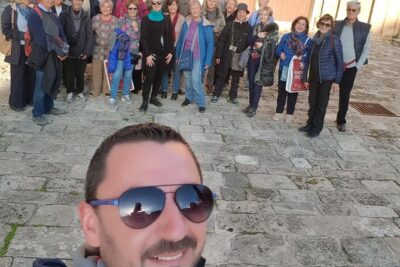
North Nicosia can feel like two cities sharing the same streets. That’s why this tour’s format works: a relaxed pace, a tight route, and a guide who ties buildings to events without turning it into a lecture. The best part is how the story stays practical. You don’t just learn dates, you learn why a corner feels different, why one neighborhood is built a certain way, and why the Buffer Zone matters in real life.
The tour also does something important for a place with painful memories. The guidance is designed to be neutral, so you can listen, ask questions, and still keep the mood human. From the feedback shared about guides like Nelin and Yena, you can expect fluent English, patience with questions, and a friendly, local rhythm to the walk.
Timing is also realistic. At around 2 hours 30 minutes, you get enough stops to feel the city, but not so much time that you lose the thread. If you want a simple first step into North Nicosia, you’ll appreciate that it’s organized without feeling rushed.
Ledra Street Crossing Point: where the Green Line shows up in real life
The experience starts in the Ledra area, at the crossing points that became a practical bridge between north and south. Ledra Street Crossing Point opened in 2008, and the tour frames that moment as more than a political headline. It’s about how movement changed life in the surrounding quarters on both sides of the Green Line.
When you arrive at the checkpoint area, keep your eyes open for how the city “turns.” The streets and building edges can look familiar, then suddenly feel different once you cross the line. This is where you begin to understand why Nicosia has such a noticeable split in atmosphere, even though the city core is close together.
This stop is brief, about 10 minutes, but it sets the tone for everything that follows. If you’re the type who likes getting your bearings fast, this is the right first moment. It helps you connect later landmarks to something you felt, not just something you read.
Arabahmet Mosque and the Arabahmet Quarter on top of the city walls
Next up is the Arabahmet Quarter, a historic and prestigious neighborhood inside the old city walls. This area matters because it shows how Ottoman and British eras shaped residential life and street character. The Arabahmet Mosque sits right in the middle of that story.
You’ll get context for what the neighborhood used to be, a cultural and business center during Ottoman and British rule, and how the residential architecture reflects that older order. Today, the vibe shifts toward modern life: coffee houses, bars, and restaurants appear along and above the walls, so the area feels lived in, not preserved as a museum.
The mosque stop is around 30 minutes, and that’s just enough time to slow down. Don’t treat it as a quick photo moment only. Look at how the quarter’s street layout and wall-adjacent location influence what you can see and where you can linger.
Admission is free, which keeps this part of the day low-cost and flexible. If you enjoy neighborhoods where history and daily routines sit side by side, you’ll like this stop.
Ledra Palace Hotel and the Buffer Zone story you cannot skip
From the Venetian city walls, you’ll look toward the Ledra Palace Hotel, opened in 1949. The tour explains its earlier role as the most luxurious hotel in Nicosia, then reframes what it became later: part of the Buffer Zone, where the UN is headquartered.
Even if you’ve heard terms like Buffer Zone before, a view is different from a sentence. This is one of those stops where the city layout helps the political reality make sense. The Venetian wall perspective also gives you a sense of how long Nicosia’s fortifications tried to control movement, long before the Green Line became the modern divider.
You’ll spend about 15 minutes on this stop. It’s not long, but it anchors the timeline. After you’ve stood here, later stops about governance, courts, and institutions click into place more easily.
Admission is free. Still, treat it like a focused viewing stop. You’ll get more out of it if you pause, look, and let the guide connect what you see to the island’s 20th-century turning points.
Other crossings to the north, reviewed
- Private Tour to the Highlights of Kyrenia★ 5.0 · 14 reviews
- From Nicosia and Kyrenia: Famagusta & Kyrenia as Circular Tour★ 5.0 · 12 reviews
- Nicosia and Kyrenia Private Tour From Nicosia & Kyrenia★ 5.0 · 9 reviews
- Kyrenia Mountain Villages & Wine Tasting from Nicosia or Kyrenia★ 4.5 · 7 reviews
- Kyrenia Half Day Tour with St Hillarion from Nicosia & Kyrenia★ 4.5 · 6 reviews
Samanbahce Quarter: courtyard houses, social housing, and sleepy side streets
One of the tour’s most human stops is the Samanbahce Quarter. This small neighborhood near Kyrenia Gate is famous for having 72 tiny courtyard houses. The tour also highlights something specific and practical: it was the first social housing project in Cyprus, built using traditional materials and a traditional Nicosia-house plan.
What you’re looking for here is not one landmark building. It’s the way a neighborhood plan shapes life. Narrow streets, small courtyards, and the feeling of a place made for everyday routines are the point. The tour describes long, narrow lanes today with flowers and, yes, cats. It’s that kind of detail that makes a neighborhood feel real.
You’ll have about 30 minutes here. That length matters because courtyard streets can be confusing at first. With a guide leading you, you understand which turns matter and why the layout is part of the story, not just a backdrop.
If your idea of history is mostly about big monuments, this stop might surprise you in a good way. It’s about housing, community design, and the quieter sides of the island’s modern narrative.
Venetian Column by the High Courts: British colonial architecture meets old power
The Venetian Column sits in front of North Nicosia High Courts, and the building behind it is a good example of British colonial architecture. The guide uses this contrast to show how powers changed, but institutions and public spaces stayed central.
This is a short stop, about 10 minutes, but it’s photo-friendly and story-rich. If you like architecture, pay attention to how the court building communicates authority in a way that fits the colonial period. The Venetian Column in front creates a layered effect: you’re seeing one era’s legacy in front of another era’s official machinery.
Admission is free, so you’re not paying extra for the look or the view. This is also a nice moment to ask a question, since the tour is still moving but you’re not stuck in a long sightline.
Büyük Han: Ottoman monument plus the included Cypriot coffee break
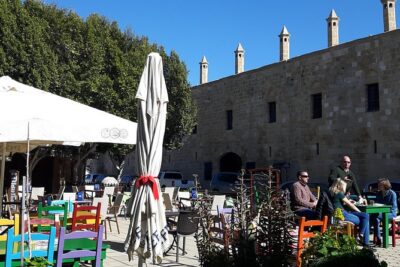
Then comes Büyük Han, and this is where the tour earns a lot of its value. The tour calls it the most impressive Ottoman monument from Cyprus, and it also functions as a natural pause point. You’ll spend around 20 minutes here.
The included perk is coffee and/or tea in Büyük Han. It’s not just a drink stop. This is a working, architectural space, so the break feels like part of the city. If you want a simple “reset” without losing the day’s momentum, this is a smart place to do it.
The guide can also help you decide what to order based on what you like. One of the best practical takeaways from the guide style on this tour is how they point you to good food and where to shop after the history settles. That makes the coffee break useful, not just scenic.
After Büyük Han, the tour normally ends near the checkpoint area. If you want, the route back is short, about 5 minutes. If you’d rather linger, this is also a convenient place to continue on your own.
Selimiye Camii (St Sophia) from the outside during renovation
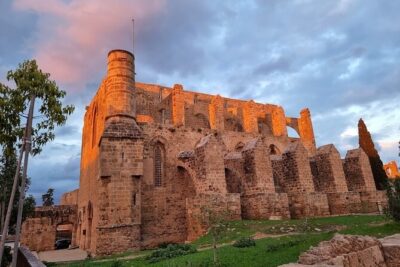
Selimiye Camii is one of the island’s most important medieval religious sites. The tour explains it was built in the 13th century as the Saint Sophia Cathedral and later converted into a mosque in the late 16th century. It’s considered one of Cyprus’s best examples of Gothic sacral architecture.
Here’s the practical limitation: it is closed for renovation, so you’ll see it from outside only. This might matter if you planned a full interior look. Still, the exterior view is useful for understanding the building’s scale and for appreciating how its form changed over time.
You’ll have about 10 minutes at this stop. That’s typically enough time to take in what’s visible and get the key story points without rushing. Also, because it’s outside-only, it stays flexible. You can spend more time on details if the area isn’t crowded, or move on quickly if you prefer.
Admission is free. Even with the renovation, this is a worthwhile stop for architecture lovers who want the bigger picture.
Bandabulya Municipal Market: 1932 market life on the Green Line
The final stop is Bandabulya Municipal Market, also spelled Bandabuliya. This covered market was built in 1932 during the British Period, and it sits right in the old city core where the Green Line runs through today.
This is your chance to switch gears from monuments to everyday buying and browsing. The tour describes it as a market for fresh fruits and vegetables, plus a wide range of goods like books, records, traditional sweets, and souvenirs. It’s also the kind of place where you can pick up small items without needing a plan in advance.
You’ll spend about 15 minutes here. That may sound short, but markets can slow you down fast. Keep it simple: pick one thing you want (a snack, a small gift, or a souvenir you can carry easily), then ask the guide for a quick recommendation if you’re unsure.
If you care about how people live now, this stop helps balance the day. After checkpoints, institutions, and older religious buildings, a market gives you the city’s current pulse.
Price and logistics: is $68.50 a good deal for 2.5 hours?
At $68.50 per person for about 2 hours 30 minutes, you’re paying for guided context, a focused route, and included refreshment. The best part is that admission at each stop is free, so you’re not stacking extra entry fees on top.
You’re also paying for a guided explanation of a complicated place. This tour is designed to cover both ancient and recent history, while keeping a neutral tone. In real terms, that means you get help turning “I see a building” into “I understand why it matters.”
The small group size, max 16, matters here too. With a big crowd, you lose chances to ask questions. With a smaller group, you’re more likely to get clear answers, and the pacing stays comfortable.
If you’re planning this as a day you’ll remember, the price feels fair because you’re not only getting sights, you’re getting interpretation, plus a coffee break in an Ottoman landmark.
Practical tips to make your walk smoother and more rewarding
- Bring your travel document if you need to cross the Ledra Street checkpoint to reach the starting point. That detail matters for entry into Northern Cyprus.
- Use the mobile ticket at the start. Keep it ready on your phone.
- Wear comfortable shoes. It’s a walking tour, and the stops are close enough to keep moving, but long enough for real attention.
- Use the guide time well. If you want shopping and food suggestions, this is the moment to ask, especially around the market.
- Expect renovation limitations. Selimiye Camii is viewable from outside only right now.
- If you like city texture, slow down at the Samanbahce Quarter. The value is in the streets and courtyards, not a single photo.
Should you book Walking City Tour Nicosia North?
Book it if you want your first taste of Northern Nicosia to feel organized, thoughtful, and easy to understand. The tour is a strong match for people who like history but also want a practical sense of daily life, from courthouse architecture to a real covered market on the Green Line.
Skip it if you want an interior-focused architecture day, since Selimiye Camii is closed for renovation. Also, if the political and 20th-century context feels like too much for your vacation mood, you might prefer a lighter, purely social-focused outing. The guidance is neutral, but the subject matter is still serious.
One more thing: this tour includes coffee or tea at Büyük Han, and the route is built around meaningful stops, not random walking. With free cancellation up to 24 hours before start, it’s an easy choice to try without long-term stress.
If you’re spending your main holiday in southern Cyprus and you want a smart way to understand the other side of Lefkosia, this is a very solid booking.
More Cyprus Reviews in the Archive
- 3-hour Nicosia Segway Tour
★ 5.0 · 323 reviews - Nicosia: Green Line and Buffer Zone Guided Walk
★ 5.0 · 147 reviews - NORTHERN CYPRUS ALL-IN-ONE Private Day Trip from Nicosia
★ 5.0 · 89 reviews - Divided Capital NICOSIA
★ 5.0 · 25 reviews - Kyrenia Tour (only from Nicosia/Kyrenia Hotels)
★ 5.0 · 22 reviews
Crossing to the North
- NORTHERN CYPRUS ALL-IN-ONE Private Day Trip from Nicosia
★ 5.0 · 89 reviews - Kyrenia Tour (only from Nicosia/Kyrenia Hotels)
★ 5.0 · 22 reviews - Private Tour to the Highlights of Kyrenia
★ 5.0 · 14 reviews - From Nicosia and Kyrenia: Famagusta & Kyrenia as Circular Tour
★ 5.0 · 12 reviews - Nicosia and Kyrenia Private Tour From Nicosia & Kyrenia
★ 5.0 · 9 reviews
Nicosia, North and South
- 3-hour Nicosia Segway Tour
★ 5.0 · 323 reviews - Nicosia: Green Line and Buffer Zone Guided Walk
★ 5.0 · 147 reviews - NORTHERN CYPRUS ALL-IN-ONE Private Day Trip from Nicosia
★ 5.0 · 89 reviews - Divided Capital NICOSIA
★ 5.0 · 25 reviews - Kyrenia Tour (only from Nicosia/Kyrenia Hotels)
★ 5.0 · 22 reviews
Newest Cyprus write-ups from our reviewers
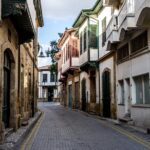

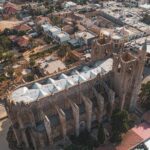
Nicosia & the Divided Capital, compared.
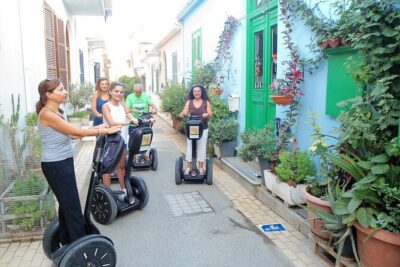 ★ 5.03-hour Nicosia Segway TourFrom $70323 reviews
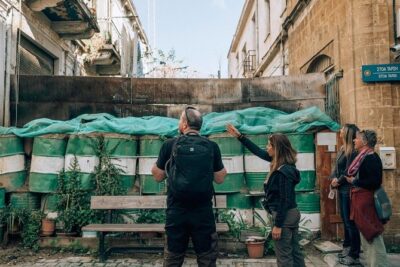 ★ 5.0Nicosia: Green Line and Buffer Zone Guided WalkFrom $83147 reviews
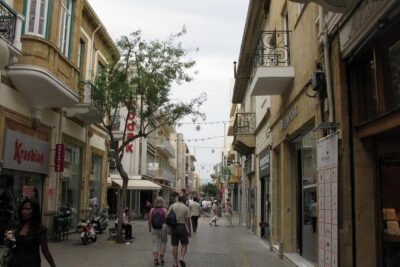 ★ 4.0Lefkara & Nicosia’s Divided Past & Present from PaphosFrom $7280 reviews
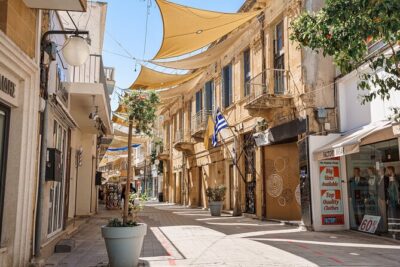 ★ 4.5Larnaca Highlights with visit to Lefkara and Nicosia from PaphosFrom $6062 reviews
 ★ 5.0Divided Capital NICOSIAFrom $21625 reviews
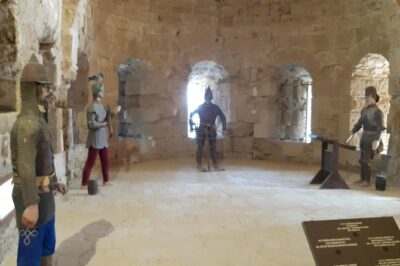 ★ 5.0Kyrenia Tour (only from Nicosia/Kyrenia Hotels)From $30022 reviews
 ★ 5.0A Day Trip to Medieval FAMAGUSTA (Kyrenia, Nicosia or Famagusta )From $36020 reviews
 ★ 5.0Grand Tour – Nicosia & Larnaca, from LimassolFrom $8418 reviews
Browse the lists this tour appears in